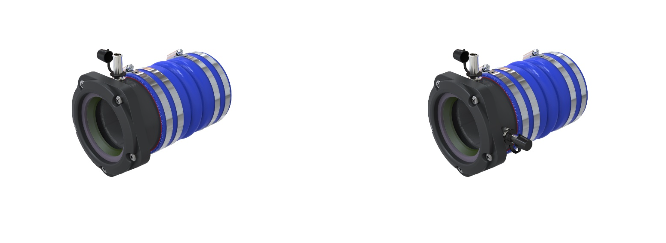
Overview #
The Tides Marine SureSeal® Shaft Seal System is designed to provide years of reliable, drip-free performance with minimal routine maintenance. While the system requires no winterization and is highly resistant to normal seasonal storage conditions, periodic inspection and verification of the water lubrication system are essential to maximize seal life and prevent premature wear.
Routine maintenance should be incorporated into your vessel’s scheduled maintenance program and requires only a few minutes every few months. Performing these simple inspections will help maintain a dry bilge, ensure proper shaft seal lubrication, and reduce the likelihood of unexpected seal replacement.
Routine Inspection #
Begin with a visual inspection of each shaft seal.
Inspect the seal housing and surrounding area for:
- Water leakage
- Salt residue or mineral deposits
- Excessive shaft movement
- Damaged hoses or clamps
- Loose fittings
Placing a clean white cloth beneath the seal is an effective method of identifying even minor leaks or sediment that may indicate a worn or improperly seated lip seal.
If leakage is observed, inspect the seal and replace the worn lip seal following the Tides Marine seal replacement procedure. If your vessel is equipped with the optional spare seal carrier, a replacement seal can typically be installed without removing the propeller shaft. During your next haul-out, replace the spare seal stored in the carrier so it remains available for future service.
Water Lubrication System Inspection #
Proper water flow to the shaft seal is the single most important factor in maximizing seal life.
The water lubrication system should be inspected regularly to ensure unrestricted flow.
Inspect the following components:
- Engine or transmission hose barb fitting
- Tee fittings
- Water supply hoses
- Shut-off valves (if installed)
- Sight gauges (if installed)
- Cross-over lubrication line (if equipped)
If the water supply originates from a threaded hose barb installed in the engine or transmission, remove both the hose and fitting to inspect for:
- Marine growth
- Mineral scale
- Corrosion
- Debris or blockage
If your vessel utilizes tee fittings installed in the cooling hose, removal is generally unnecessary, as these fittings rarely become obstructed.
Verifying Water Flow #
With the vessel safely secured:
- Start the engine.
- Leave the transmission in Neutral.
- Remove the water supply hose from the shaft seal.
- Cap the shaft seal fitting.
- Direct the hose into a bucket or suitable container.
- Verify water flow.
Expected flow should be approximately:
1 gallon (3.8 liters) per minute at engine idle.
Increase engine speed through the normal operating RPM range to confirm continuous flow.
Repeat this procedure for the opposite engine and inspect the crossover lubrication circuit if installed.
Important: Complete one engine inspection before disconnecting the second lubrication line to prevent confusion during reassembly.
If Water Flow Is Restricted #
If adequate water flow is not achieved:
- Inspect all fittings for blockage.
- Remove marine growth or mineral scale.
- Descale the lubrication line if necessary.
- Verify unrestricted flow before reconnecting the system.
Restricted water flow increases operating pressure while reducing lubrication to the lip seal, which can result in:
- Premature seal wear
- Excessive shaft temperature
- Water leakage
- Increased bilge water
- Reduced seal service life
Once testing is complete, reconnect and properly secure all hoses before returning the vessel to service.
Inspection Frequency #
Ocean Alexander recommends performing the shaft seal water flow inspection:
- Twice each year
- Whenever abnormal leakage is observed
- Following extended lay-up periods
- After servicing the engine cooling system
- During annual preventative maintenance inspections
In addition, inspect all hose fittings and water supply connections for marine growth, corrosion, mineral scale, or debris during each inspection.
Weekly Shaft Rotation #
As part of your routine vessel maintenance, Ocean Alexander recommends rotating the propulsion shafts at least once per week by operating the engines in and clutching in and out of gear for a short period.
Weekly shaft rotation allows cooling water to circulate through the Tides Marine SureSeal® assembly, maintaining proper lubrication of the lip seals while exposing fresh shaft surfaces to the surrounding water. This helps reduce the accumulation of marine growth, mineral deposits, and localized crevice corrosion that can occur when stainless steel shafts remain stationary, particularly in marinas or waterways with elevated pH levels, high mineral content, or low water circulation.
In addition to protecting the shaft seal, regular shaft rotation promotes circulation throughout the engine cooling system and drivetrain, helping to keep propulsion components in good operating condition and ready for use.
Best Practice: Incorporate weekly shaft rotation into your routine vessel exercise program. Running each engine in Neutral long enough to rotate the shafts and establish normal cooling water flow is a simple preventative maintenance practice that can help extend the service life of the propeller shafts, shaft seals, and associated drivetrain components.
Maintenance Summary #
| Inspection Item | Recommended Interval |
|---|---|
| Visual leak inspection | Every few months |
| Water flow verification | Twice annually |
| Inspect hose fittings for blockage | Twice annually |
| Rotate shafts with running engines | Weekly |
| Replace worn lip seal | As required |
Owner’s Tip: A properly lubricated Tides Marine SureSeal® will provide many years of dependable, drip-free operation. The most common cause of premature seal wear is restricted cooling water flow. Incorporating a simple water flow inspection into your regular maintenance routine is one of the most effective ways to maximize seal life and maintain a dry bilge.
Need Assistance?
For technical support, warranty assistance, parts, or to schedule service:
Ocean Alexander Yacht Service
East Coast Yacht Group
2955 W State Road 84 Fort Lauderdale FL, 33312
954-530-2033
🌐
oayachtservice.com
Follow us for maintenance tips, technical updates, and service announcements:
Instagram
This article is part of the Ocean Alexander Yacht Service Knowledge Base. Information is provided for general guidance and should not replace the applicable Owner’s Manual or service procedures.
© Ocean Alexander Yacht Service – East Coast Yacht Group, Inc.


